Delayed onset muscle soreness typically peaks forty-eight hours after eccentric exercise, driven by localized fluid accumulation and sensitized nerve endings rather than lactic acid buildup. Understanding how to manage this response determines which at-home recovery tools actually fit your physiology and daily routine.
What Happens Inside Your Muscles Before Using At-Home Recovery Tools
Two mornings after a heavy lower-body session or a long weekend run along a humid Australian coastal track, getting out of bed requires a conscious negotiation with your quadriceps and lower back. That deep, wooden stiffness is not leftover lactic acid, which your bloodstream clears within an hour of stopping exercise. What you actually feel is the physical aftermath of microscopic mechanical strain across thousands of individual muscle fibres. When you load a muscle while it lengthens, tiny structural disruptions occur along the contractile proteins, prompting fluid and immune cells to rush into the surrounding interstitial space. This localized swelling presses against neighbouring tissue while a chemical cascade of prostaglandins and bradykinin sensitizes your local nerve endings, making every staircase feel twice as steep.
Here lies the central paradox of post-workout inflammation recovery that marketing brochures rarely mention. Acute inflammatory signaling is the exact biological trigger that tells your body to rebuild stronger, denser tissue. If you routinely swallow over-the-counter anti-inflammatory medication to silence the ache, you risk muting the cellular messengers responsible for muscle repair and tendon adaptation. On the other hand, letting excess extracellular fluid pool in your limbs for days drags out discomfort, restricts joint mobility, and ruins the quality of your next training session. Five hurried minutes on a foam roller before dinner rarely resolves this deep congestion either. Rolling works primarily through temporary neurological mechanisms, stimulating skin and muscle mechanoreceptors to convince your nervous system to relax local muscle tone for ten or twenty minutes rather than physically ironing out fascia or flushing cellular debris.
Effective recovery requires assisting your body's natural clearance pathways without sabotaging the underlying adaptation you trained so hard to earn. As we explored in our breakdown of passive recovery approaches for athletes after heavy training, the equipment worth bringing into your house works while your body remains completely at rest. Choosing the right passive recovery tools comes down to matching specific physiological mechanisms, whether thermal constriction, mechanical pressure, or cellular photobiomodulation, to how your body clears fluid and regulates temperature.
How Cold Water Immersion Balances Soreness Relief and Muscle Adaptation
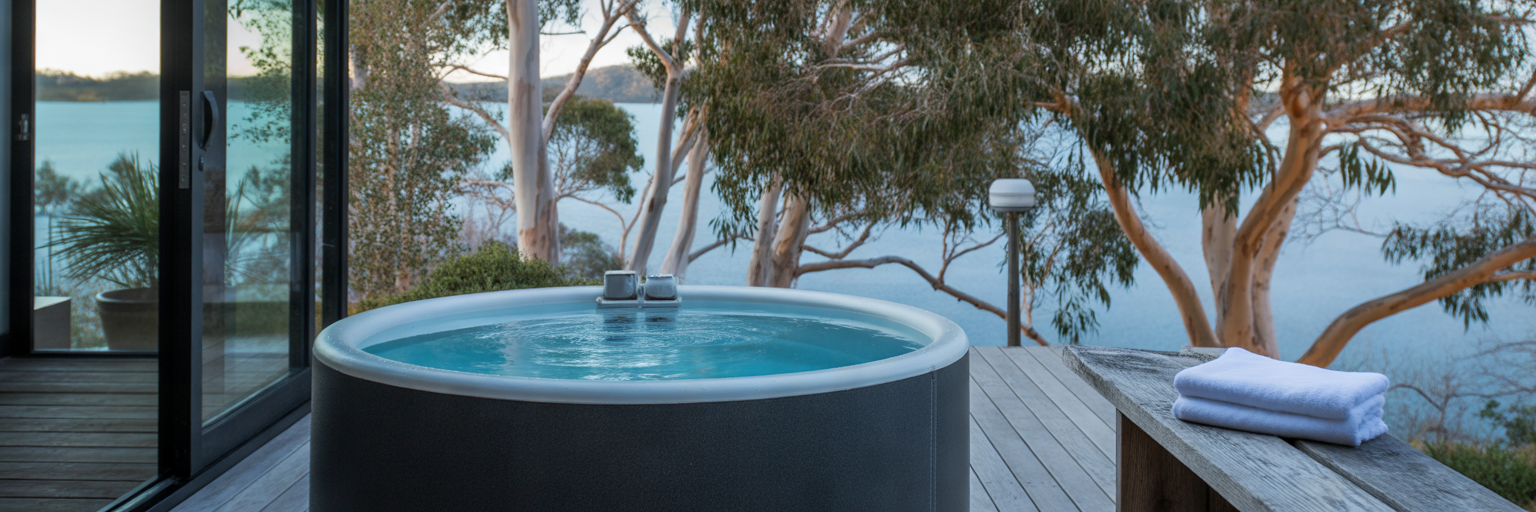
Stepping up to your collarbone into frigid water after a grueling summer training session triggers an immediate, unmistakable physiological shift. Within seconds of immersion, cutaneous cold receptors fire a sympathetic nervous system response that causes rapid vasoconstriction across your peripheral blood vessels. This narrowing of the vascular highways reduces local metabolic demand in overheated tissues and slows the leakage of fluid into exhausted muscle bellies. Simultaneously, the physical weight of the water exerts hydrostatic pressure against your legs and torso, gently compressing superficial tissues and pushing stagnant extracellular fluid back into your central circulation so your kidneys and lymphatic system can process it.
Across the natural world, organisms handle extreme thermal drop in wildly different ways. As highlighted in Nature Is Crazy, certain winter-surviving insects endure freezing temperatures by replacing their internal body fluids with glycerol-rich cryoprotectants to prevent ice crystals from rupturing their cells. While insect biology obviously does not establish physiological effects in humans, the contrast underscores how human tissue lacks cellular antifreeze mechanisms and relies entirely on vascular constriction and pressure gradients to survive and benefit from cold exposure. In your backyard tub, you are manipulating blood vessel diameter and fluid pressure to quieten throbbing joints and calm nerve conduction velocity.
The Hypertrophy Trade-Off and Practical Home Cooling
For decades, sports scientists have pointed toward ten to fifteen minutes immersed in water between ten and fifteen degrees Celsius as the reliable sweet spot for muting post-exercise soreness. Yet a critical physiological trade-off dictates when you should actually use it. Plunging into icy water immediately after a heavy resistance session dampens satellite cell activity and inhibits the mTOR signaling pathway that drives muscle protein synthesis. If your primary goal is building lean muscle mass or maximal strength, aggressive cooling right after lifting acts like a handbrake on hypertrophy. Conversely, during high-frequency endurance blocks, multi-day tennis tournaments, or humid Australian summer conditioning phases where your top priority is showing up fresh twenty-four hours later, cold immersion excels at restoring baseline performance.
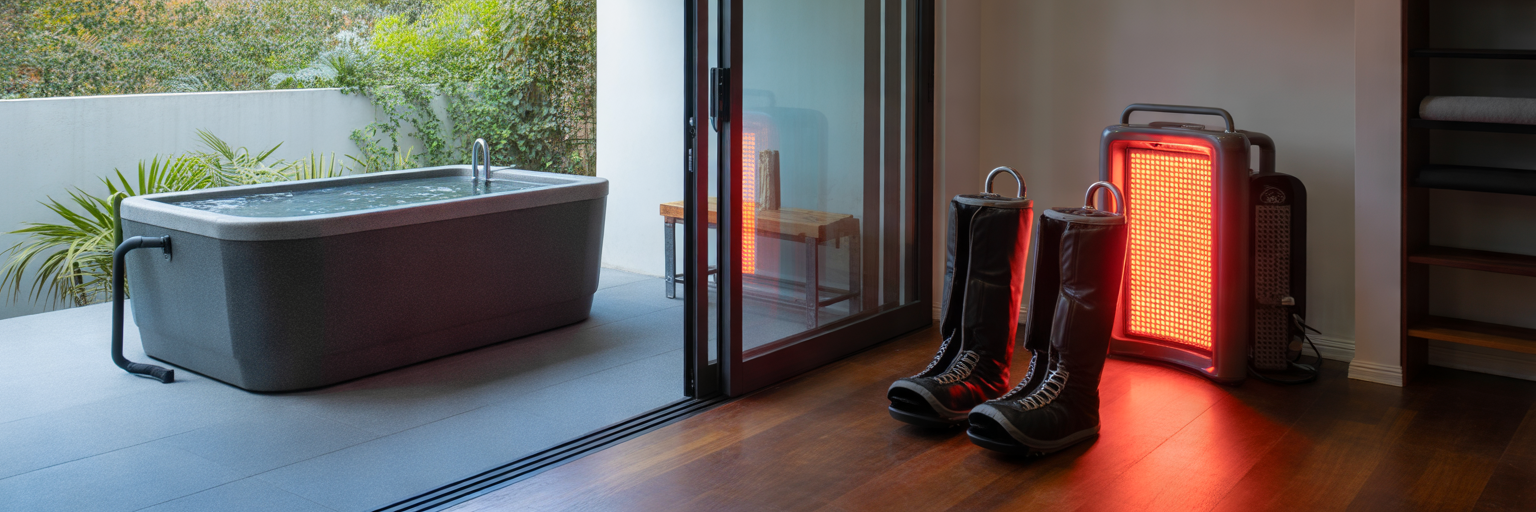
Translating that protocol into a sustainable home habit in Brisbane, Sydney, or Perth exposes the practical friction of water management. Hauling four bags of service station ice into an inflatable tub on a thirty-five-degree January afternoon quickly loses its charm, and uninsulated water warms up before you even finish your session. Serious home users generally gravitate toward insulated dedicated cold plunge tubs paired with automated cooling and sanitation units. A dedicated system like Plunge Chill maintains steady ten-degree water on demand while circulating it through micron filters, removing the daily chore of ice runs. For apartment dwellers or homeowners who lack a reinforced patio, external drainage, or the appetite for weekly water chemistry checks, dry cooling alternatives such as Ice Blankets offer localized thermal relief without a single litre of standing water. Investing between one thousand and five thousand dollars in the best cold plunge Australia offers makes sense if you train frequently in the heat and have dedicated outdoor space, whereas pure strength athletes with limited floor space are better served looking elsewhere.
Why Pneumatic Compression and Thermal Systems Excel at Passive Fluid Clearance
By eight o'clock in the evening, very few people want the bracing adrenaline spike of ten-degree water before bed. When your legs feel like lead pipes after a three-hour weekend ride or a long shift on your feet, the goal shifts from acute thermal shock to quiet fluid mobilization and nervous system down-regulation. Your lymphatic system has no central heart to pump cellular waste and protein-rich fluid out of your lower extremities. It depends almost entirely on one-way valves and the rhythmic squeezing of your calf and thigh muscles during movement, which explains why sitting motionless on the couch after a hard morning workout often leaves your ankles and knees feeling tighter by nightfall.
Pneumatic compression boots step in to replicate this skeletal muscle pump while you lie flat on the sofa. Slipping your legs into multi-chambered sleeves allows an air compressor to inflate the foot chamber first, then sequentially fill the lower calf, upper calf, and thigh zones in a distal-to-proximal wave. This calibrated mechanical squeeze physically milks venous blood and sluggish interstitial fluid upward toward your core without requiring a single muscular contraction or raising your heart rate. Because mechanical compression clears fluid without altering cellular temperature, it leaves anabolic muscle-building signals completely intact.
Contrasting Mechanical Squeezing with Infrared and Photobiomodulation
While compression relies on external physical pressure, gentle thermal and light-based modalities work from the inside out by widening micro-vessels and supporting cellular energy production. Wrapping yourself in an infrared sauna blanket introduces radiant heat that penetrates several centimetres into superficial tissue, triggering mild vasodilation and releasing heat shock proteins that protect damaged cellular structures. As we examined in our comparison of cold plunges versus infrared sauna blankets, this gentle vasodilation accelerates blood flow to stiff tendons and muscles without blunting hypertrophy, making heat a smarter evening partner for strength training.
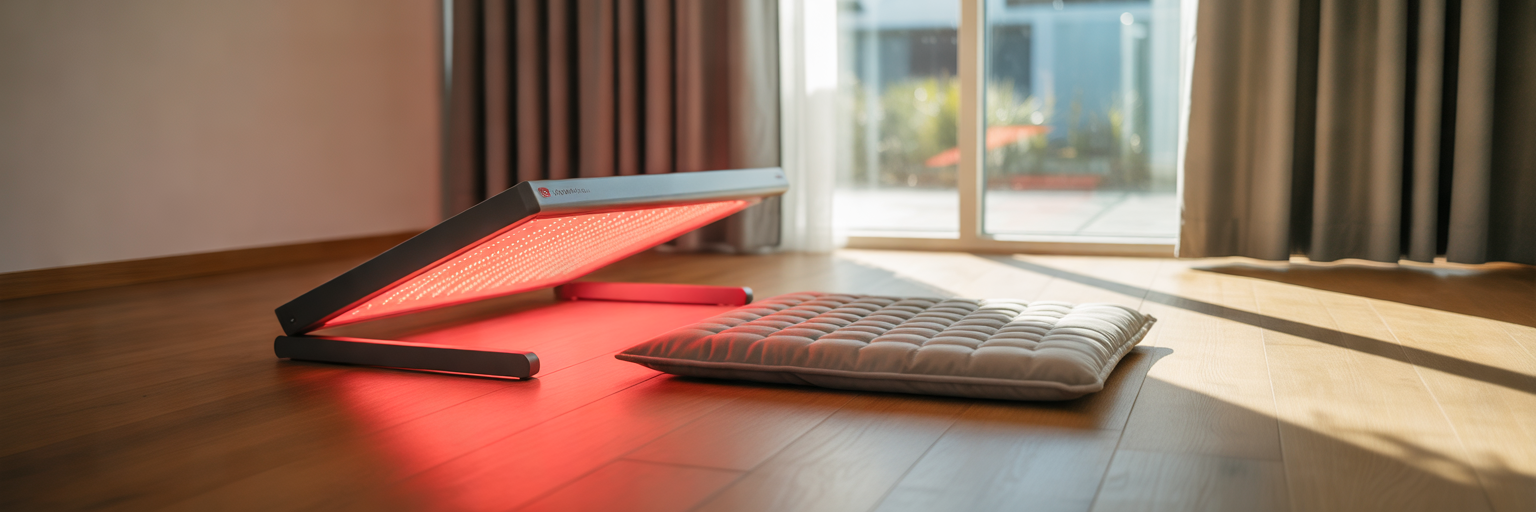
Red light therapy panels take an entirely non-thermal route known as photobiomodulation. By delivering concentrated wavelengths of red light around 660 nanometres and near-infrared light around 850 nanometres directly to bare skin, these panels stimulate cytochrome c oxidase inside your mitochondria. This interaction helps clear nitric oxide bottlenecks, boosts adenosine triphosphate production, and tempers local oxidative stress. For a deeper look at how wavelength irradiance affects deep tissue versus surface health, review our guide to choosing red light therapy panels for skin and recovery. Rather than guessing whether your evening routine is genuinely lowering systemic stress, tracking objective blood biomarkers such as high-sensitivity C-reactive protein and creatine kinase through testing services like Mito Health lets you see how your internal inflammation responds over a twelve-week training block.
Choosing the right muscle recovery equipment home setup requires weighing these biological benefits against daily household friction. Compression boots take two minutes to zip on, pack neatly into a wardrobe drawer, and require zero cleanup beyond an occasional wipe. Infrared sauna blankets fit under a bed and plug into a standard 240-volt wall socket, though you must lay down an absorbent towel liner and disinfect the vinyl interior after every sweaty forty-minute session. Full-body red light panels require zero sanitation consumables or laundry, provided you have a dedicated wall mount or floor stand where you can comfortably stand or lie for ten minutes a day.
Physiological Mechanisms and Ownership Realities of Home Recovery Systems
| Modality | Primary Physiological Mechanism | Impact on Hypertrophy Signaling | Typical Australian Price Range (AUD) | Setup and Maintenance Friction |
|---|---|---|---|---|
| Cold Plunge Chiller Tubs | Vasoconstriction and hydrostatic fluid displacement | Can blunt anabolic pathways if used immediately post-lifting | $1,500 to $6,000+ | High: requires filter changes, water sanitation, and patio space |
| Pneumatic Compression Boots | Sequential mechanical pressure aiding venous and lymphatic return | Neutral; clears interstitial fluid without altering cellular signaling | $600 to $1,800 | Low: wipe down sleeves and recharge battery pack |
| Infrared Sauna Blankets | Passive thermal vasodilation and increased peripheral blood flow | Supportive; heat shock proteins assist cellular resilience | $500 to $1,200 | Moderate: requires towel liner and interior disinfection after sweating |
| Red Light Therapy Panels | Photobiomodulation stimulating mitochondrial ATP production | Neutral to supportive; reduces oxidative stress without thermal load | $800 to $3,500+ | Minimal: zero consumables, plugs into standard 240V outlet |
Pricing reflects 2026 Australian retail ranges for mid-tier to commercial-grade home systems, while physiological mechanisms reflect clinical consensus on post-exercise tissue clearance and adaptation.
What Recent Clinical Evidence Reveals About Recovery Gadgets Versus Sleep
Before spending two or three thousand dollars on specialized hardware, every discerning buyer deserves an honest look at what independent sports science actually shows. Manufacturer websites routinely cite tiny, industry-funded studies to claim their machines accelerate tissue regeneration by forty or fifty percent. When independent researchers pool decades of peer-reviewed trials together, a much more grounded picture emerges. As highlighted in an October 2026 report by Outside Velo examining systematic review findings from August and October 2026, expensive recovery gadgets rarely outperform simple rest and foundational recovery when scientists measure objective physiological markers like blood creatine kinase levels, inflammatory cytokines, or next-day maximal power output. Across hundreds of controlled comparisons, eight hours of uninterrupted sleep, sufficient dietary protein and carbohydrate intake, and intelligently spaced training days remain the undisputed drivers of structural muscle repair.
Why, then, do experienced runners, cyclists, and lifters over forty consistently swear by their evening recovery setups? The answer lies in the crucial intersection between sensory modulation and the autonomic nervous system. Objective blood markers only tell half the story of human performance; how your body feels and how deeply you relax in the evening dictate how well you sleep and how willing you are to train tomorrow. When you spend thirty minutes in pneumatic compression boots, settle into a warm infrared blanket, or lie on a low-frequency mat—a mechanism we examine closely in our science explainer on PEMF therapy and chronic inflammation—you feed steady, soothing sensory input to your brain.
This sensory feedback nudges your nervous system out of high-alert sympathetic drive and into parasympathetic rest-and-digest dominance. Heart rate variability climbs, muscle guarding subsides, and perceived soreness drops noticeably. Even if a recovery device clears only a modest amount of interstitial fluid compared to a full night of slow-wave sleep, creating a structured, screen-free thirty-minute evening ritual that relieves throbbing legs and helps you fall asleep faster delivers genuine value. You are not buying a miracle cure that replaces biology; you are buying reliable physical comfort, faster subjective relief from tight limbs, and an effortless bridge into deeper rest.
How to Choose the Right At-Home Recovery Tools for Your Space and Routine
Matching that realistic value proposition to your wallet starts with identifying your primary physical bottleneck. If you train outdoors through blistering Australian summers and struggle with hot, throbbing joints and systemic fatigue between back-to-back endurance sessions, cold water immersion addresses your exact thermal and hydrostatic needs. If your main complaint is heavy, swollen calves and thighs after long weekend rides, runs, or hours standing at work, pneumatic compression boots deliver targeted mechanical drainage without touching your muscle-building pathways. For lifters and active older adults managing deep muscular tension, morning joint stiffness, or slow cellular turnover, the gentle vasodilation of an infrared blanket or the mitochondrial support of a red light panel fits seamlessly into a quiet evening routine.
Once you narrow down the physiological mechanism, look closely at the unglamorous ownership realities that determine whether a machine gets used five nights a week or gathers dust in the spare room. In the home recovery equipment Australia market, where quality systems sit between five hundred and five thousand dollars, daily friction is everything. Ask yourself honestly whether you will test plunge water sanitizer levels every Sunday, change micron filters monthly, and dedicate permanent outdoor patio space near a drainage point. Consider whether you are happy wiping down the inside of an infrared blanket after sweating, or if you prefer the zero-cleanup simplicity of standing in front of a red light panel or zipping into compression sleeves while watching television.
Pay close attention to local electrical and consumer protections before entering your credit card details. Imported chillers and high-output light panels should carry proper RCM compliance markings for Australian 240-volt, 50-hertz wall sockets rather than relying on flimsy travel adapters. Verify that the brand backs its motors, compressors, and LED drivers with a transparent warranty honoured under Australian Consumer Law, supported by local spare parts and service technicians so you never have to ship a forty-kilogram chiller overseas for repair. Before committing your budget, compare at least three suitable models across verified irradiance or cooling specifications, ongoing consumable costs, and physical footprint. When you are ready to weigh specific brands side by side, you can explore the independent specification breakdowns and category comparisons in our Personal Recovery Lab buyer's guide to find the exact system that fits your body, your floor plan, and your training life.