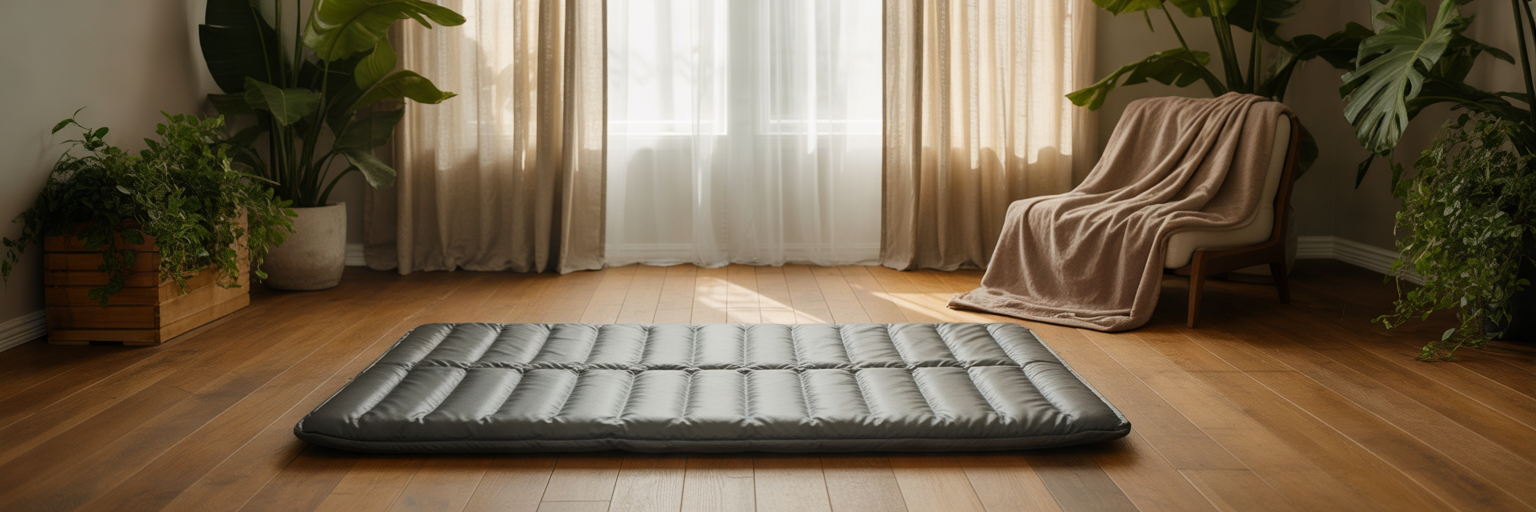
Decades ago, targeted electromagnetic pulsing and radiant thermal therapy were confined to clinical rehabilitation wards and elite sports institutes. Today, active Australians are bringing both systems into their spare rooms, making the practice of combining PEMF mats and infrared sauna blankets a practical reality that raises important questions about how thermal stress and cellular signaling actually interact inside a recovering body.
How PEMF Mats and Infrared Sauna Blankets Address Deep Fatigue
You probably know the exact sensation that settles into your legs and lower back three days after a heavy resistance session, a long Sunday run along the coast, or a relentless forty-hour working week. You drink extra water, take your evening magnesium, and spend twenty minutes stretching on the living room carpet, yet a heavy, deep-tissue stiffness remains anchored in your muscles. That lingering exhaustion happens because surface-level remedies rarely reach the biological bottleneck occurring deep inside fatigued tissue.
When you push your body hard, you create microscopic structural trauma across muscle fibers and the surrounding connective fascia. In your forties, fifties, and sixties, local capillary blood flow naturally responds a little slower than it did at twenty-five. Fluid stagnates around those stressed fibers, cellular energy reserves drop, and your central nervous system keeps the muscle locked in a mild, protective contraction to prevent further damage. You feel this protective guarding as stubborn tightness that refuses to let go no matter how hard you roll on a foam cylinder.
Addressing both the fluid stagnation and the cellular exhaustion requires looking closely at how specialized muscle recovery equipment interacts with human physiology. Far-infrared heat and pulsed electromagnetic fields approach this biological bottleneck from two entirely different angles. While an infrared wrap uses radiant thermal energy to physically warm tissue and force sluggish blood vessels open, practicing PEMF therapy at home introduces low-frequency magnetic pulses that pass silently through skin and bone without generating any physical heat at all. In our detailed guide explaining what PEMF therapy actually does inside the body, we examine how these gentle magnetic waves encourage exhausted cells to restore their natural electrical charge and exchange metabolic waste more efficiently.
Before investing thousands of dollars into dual systems, it helps to separate established biological facts from ambitious marketing language. Clinical literature strongly supports the individual mechanisms of both modalities: radiant heat reliably increases peripheral circulation and tissue elasticity, while targeted electromagnetic pulsing has decades of peer-reviewed backing for supporting cellular signaling and bone or soft-tissue repair. However, large-scale randomized controlled trials specifically testing the simultaneous or back-to-back combination of consumer sauna blankets and PEMF mats at home remain scarce. Understanding how each tool behaves on its own allows you to pair them logically based on how your body actually recovers, rather than relying on brochure promises.
Thermal Stress Versus Electromagnetic Cellular Signaling
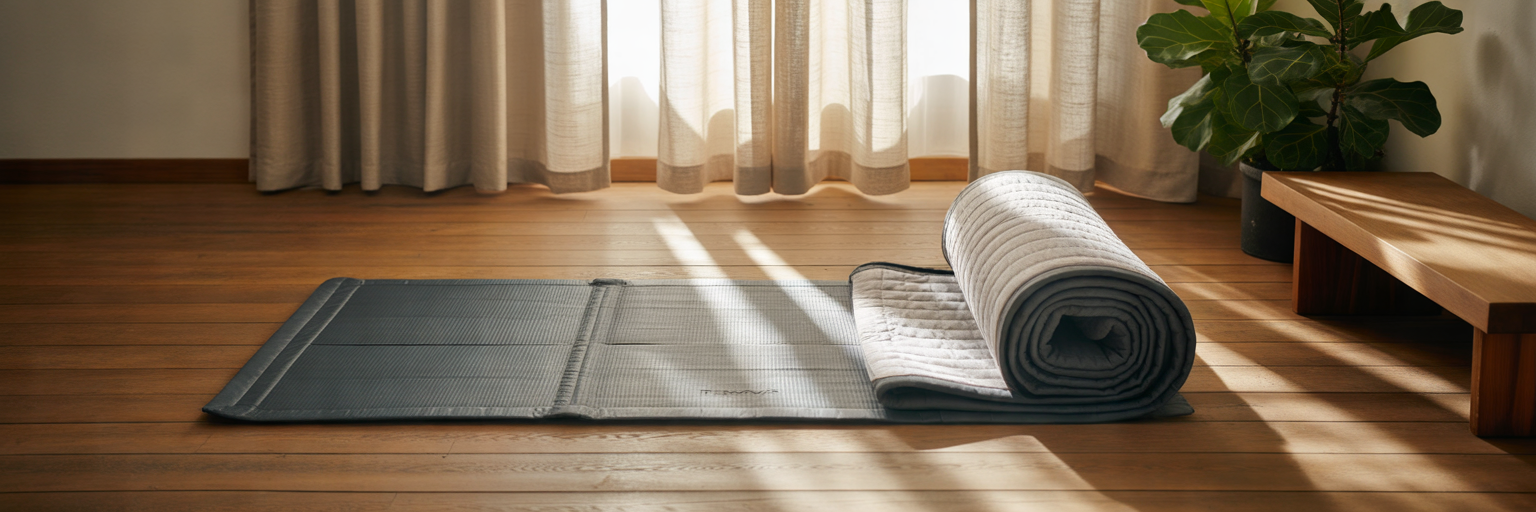
To understand why these two technologies complement each other, consider what happens to your cardiovascular and nervous systems during a session. When you zip yourself inside an infrared blanket, carbon or crystal heating elements emit far-infrared wavelengths that penetrate several centimeters into soft tissue. Unlike a traditional timber sauna that heats the room air first, radiant infrared energy warms your body directly from the inside out. Your core temperature gradually climbs, blood vessels dilate widely to dump heat toward the skin, your heart rate rises to match the pace of a brisk walk, and you sweat profusely. According to a peer-reviewed study in Biology of Sport, post-exercise far-infrared heat penetration measurably accelerates neuromuscular performance recovery and reduces delayed-onset muscle soreness after intense resistance training.
Now contrast that intense thermal workout with lying on a standalone PEMF mat. There is no sweat, no elevated pulse, and often no physical sensation beyond a subtle rhythmic tapping or gentle warmth if the unit includes a low-level surface heater. Instead of challenging your cardiovascular system, low-frequency electromagnetic waves interact directly with your cell membranes, encouraging ion exchange and calming localized tissue agitation. As we explored in our breakdown of PEMF science and chronic inflammation, this non-thermal signaling helps settle agitated tissues without demanding extra energy from an already depleted body.
Using only one modality sometimes leaves a noticeable gap in your weekly routine. If you arrive home completely exhausted on a Tuesday evening with an elevated resting heart rate and frayed nerves, climbing into an eighty-degree thermal wrap adds further cardiovascular stress when your body actually craves quiet cellular restoration. Conversely, when your lower back fascia feels cold, rigid, and mechanically locked on a winter morning, silent magnetic pulsing alone will not give you the immediate physical pliability and synovial joint lubrication that deep radiant heat delivers within fifteen minutes. Readers researching PEMF mats Australia alongside options for an infrared sauna blanket Australia often discover that the real value lies in choosing the right biological stimulus for how they feel on a given day, a nuance we cover extensively in our direct comparison between a sauna blanket and a PEMF mat.
| Recovery Factor | Standalone PEMF Mat | Infrared Sauna Blanket |
|---|---|---|
| Primary Biological Mechanism | Low-frequency electromagnetic cellular signaling | Radiant far-infrared thermal tissue penetration |
| Cardiovascular Demand | Non-thermal; keeps heart rate at resting baseline | Elevates heart rate and induces heavy vasodilation |
| Operating Temperature Limit | Ambient room temperature; hardware max 40°C to 50°C | Active internal heating between 60°C and 80°C |
| Immediate Post-Session State | Calm nervous system without sweat or fluid loss | Profuse sweating requiring cooling and rehydration |
One critical hardware distinction separates integrated hybrid mats from two standalone devices. Some manufacturers build low-intensity PEMF coils directly into heated crystal mats that warm up to mild surface temperatures. Because those hybrid units are engineered as a single piece of hardware, their internal wiring is insulated for moderate warmth. However, you should never place a standalone infrared sauna blanket directly on top of a separate PEMF mat to run both at the same time. Standalone sauna wraps trap concentrated heat between sixty and eighty degrees Celsius, whereas the copper induction coils, PVC casings, and sensitive microprocessors inside dedicated PEMF mats are typically rated for maximum ambient temperatures below forty to fifty degrees Celsius. Stacking a roaring hot sauna wrap onto a standalone PEMF mat risks melting internal coil insulation, warping the mat layers, and immediately voiding your Australian consumer warranty.
Sequencing Your Sessions for Circulation or Nervous System Downregulation
Since running two standalone systems simultaneously creates both thermal hardware risks and conflicting signals for your nervous system, combining them effectively comes down to smart chronological sequencing. How you order your sessions depends entirely on whether your primary goal for the day is flushing metabolic byproducts from heavy limbs or winding down for deep sleep.
The most popular physiological sequence among regular home users starts with twenty minutes on the PEMF mat followed immediately by thirty to forty minutes inside the infrared sauna blanket. Starting with electromagnetic pulsing while your body is still cool and dry primes your microvascular network. The low-frequency fields encourage red blood cells to separate and move smoothly through tiny capillaries before any heat stress arrives. When you subsequently step off the mat and slide into your preheated sauna blanket, your peripheral circulation is already humming, allowing your body to initiate a productive sweat response faster and distribute radiant warmth evenly through stubborn, tight muscle bellies.
Flipping that order works exceptionally well when you feel mechanically stiff and mentally wired after a physically demanding day. Beginning inside the infrared blanket warms rigid tendons, softens dense connective fascia, and triggers a strong endorphin release through thermal stress. Research published in SpringerPlus found that scheduling far-infrared bathing after endurance and strength training sessions noticeably improves neuromuscular recovery and helps restore physical performance capacity. Once you finish your sweat session, however, you must build in a mandatory ten to twenty minute cooling and drying buffer before lying down on your PEMF mat. This pause lets your heart rate settle back toward baseline, stops active perspiration, and ensures you do not transfer trapped eighty-degree body heat and salty moisture onto your electromagnetic mat. After Toweling off and taking a lukewarm shower, lying on a PEMF mat tuned to a low delta or theta frequency gently guides your warm, relaxed body into deep parasympathetic rest.
You can also split the modalities across different parts of the day to match your natural circadian rhythm. Many active Australians run a crisp, twenty-minute PEMF program right after morning training to calm acute tissue agitation without having to shower a second time before work. They then save the thermal wrap for the evening hours, taking advantage of the natural core body temperature drop that occurs after exiting a hot session, which is a primary reason why sauna blankets leave you so relaxed before bed.
If you struggle with residual nighttime warmth after late thermal sessions, pairing your evening routine with specialized cooling textiles like Ice Blankets can help regulate skin temperature once you climb into bed. Athletes who prefer sharper vascular contrast often alternate their weekly infrared heat days with dedicated cold-water immersion using compact home systems like Plunge Chill to drive rapid vasoconstriction before returning to afternoon PEMF sessions. To move beyond guesswork and see whether this combined protocol actually lowers systemic stress over a three-month block, dedicated users increasingly establish objective physiological baselines through blood biomarker services such as Mito Health to track inflammatory markers and recovery trends over time.
Practical Ownership Realities and Safety Protocols at Home

Owning both categories of home recovery equipment changes how you manage space, hygiene, and power inside an Australian house. A full-length PEMF mat and an unfolded sauna blanket each require roughly two meters by one meter of flat surface area. Unless you have a dedicated spare bedroom or wellness studio where both units can remain permanently laid out, setup friction can quickly derail good intentions. Most owners find success by keeping the firmer PEMF mat permanently positioned on a spare bed or quiet carpet runner for effortless daily access, while storing the flexible sauna blanket in a breathable cotton bag to roll out three or four times a week.
Electrical and material care require equal attention. Both devices must be built for standard Australian 240-volt, 50-hertz wall power without relying on cheap international step-down transformers that overheat under continuous fifty-minute thermal loads. When running sessions back to back, plug each controller into a quality surge-protected wall socket rather than piggybacking heavy-draw heating cords onto a single thin extension lead. Hygiene between sessions is non-negotiable. Infrared blankets accumulate substantial sweat containing corrosive body salts and skin oils that will slowly degrade polyurethane waterproofing and stiffen zipper teeth if left to dry inside a folded wrap. Wiping down the interior liner with a gentle, non-alcohol antibacterial spray after every single sweat session protects the synthetic vinyl in the exact same way that coastal anglers rinse corrosive saltwater from their tackle to extend the life of their fishing lures after a day on the water.
Respecting basic physiological boundaries keeps home sessions safe and rejuvenating. Combining deep vasodilation from infrared heat with the microcirculatory push of PEMF therapy moves a considerable volume of fluid through your vascular system. Always drink water enriched with sodium, potassium, and magnesium before and after your routine, as plain tap water alone will not replace the electrolytes lost during forty minutes of heavy sweating. Never consume alcohol before or immediately after using either system, because alcohol compounds blood vessel dilation and accelerates dehydration, creating a genuine risk of dizziness or fainting. When exiting a sauna blanket or standing up after a long horizontal PEMF session, sit upright on the edge of the mat for sixty seconds first so your blood pressure can adjust smoothly to gravity.
From a budgeting perspective, purchasing both pieces of hardware simultaneously represents a serious financial commitment, often ranging from $1,800 to well over $5,000 depending on build quality and coil density. If you are deciding whether to buy both at once or stage your investment, listen to your primary physical complaint. If you feel constantly cold, tight, and fluid-heavy, starting with the best infrared sauna blanket for your budget delivers an immediate, tangible physical release for under $1,200. If your main struggle is restless sleep, nervous system exhaustion, or localized joint discomfort that resists heat, prioritizing a high-grade PEMF mat makes far better sense as your foundational piece. Before committing your money, take the time to compare at least three competing models across our PEMF therapy mats directory and our infrared sauna blankets comparisons, paying close attention to independent EMF shielding certifications, non-toxic fabric ratings, and local Australian warranty support so you can build a recovery space that genuinely fits your body.