We have long understood that light influences our biology. The morning sun cues our internal clock, and its rays help our skin produce Vitamin D. This fundamental connection between light and life sets the stage for understanding how specific wavelengths can be used to support our well-being on a cellular level.
The Cellular Science of Light and Vitality
The process behind red light therapy is known as photobiomodulation. It sounds complex, but the concept is straightforward: specific wavelengths of light can influence how our cells function. Not just any light will do. The magic lies in red light, typically between 630 and 670 nanometres, and near-infrared light, between 800 and 850 nanometres. These wavelengths are unique in their ability to penetrate the skin and reach the cells beneath.
Once inside the body, this light interacts with the mitochondria, which are often called the "powerhouses" of our cells. Think of your cells like tiny rechargeable batteries. Over time, due to stress, poor diet, or aging, these batteries can lose their charge. The light from a red light therapy device acts like a charger, stimulating the mitochondria to produce more Adenosine Triphosphate (ATP). ATP is the primary energy currency of every cell in your body.
This increase in cellular energy is not just a microscopic event. When your cells are energized, they perform their functions more efficiently. This leads to improved metabolic processes, better cell repair, and reduced inflammation. The result is a systemic effect that can be felt as a tangible red light therapy energy boost. This foundational mechanism of photobiomodulation for well-being explains the many benefits of near infrared light and is the starting point for understanding how red light therapy at home can support overall vitality.
How Red Light Influences Mood and Mental Clarity
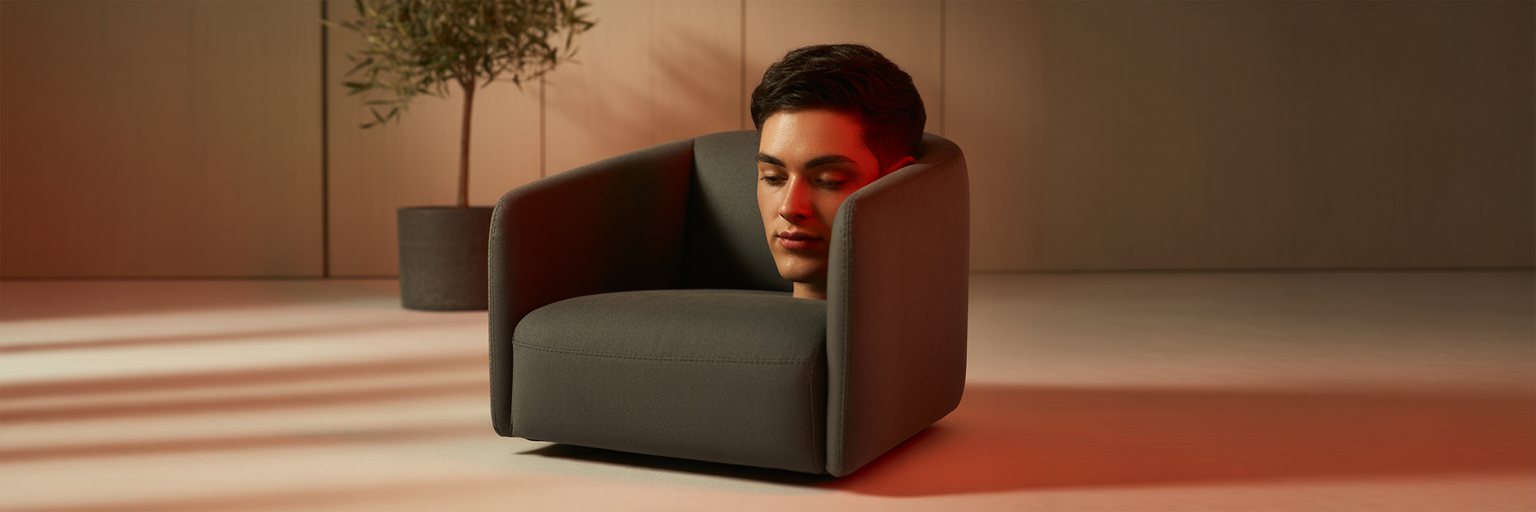
Building on the idea that red light therapy recharges our cellular batteries, it is important to recognise that our brain is the most energy-demanding organ in the body. It consumes about 20% of our total energy, making it highly responsive to the ATP increase generated by photobiomodulation. When brain cells have more energy, they communicate more effectively, which can lead to sharper cognitive function and improved mental clarity. That feeling of brain fog we all experience might just be a sign of tired, under-energised brain cells.
The connection to mood is where things get even more interesting. Research into red light therapy for mood suggests it may influence the production of key neurotransmitters. For example, some studies indicate that photobiomodulation can support serotonin levels, the "feel-good" chemical that contributes to feelings of well-being and happiness. It can also help regulate melatonin, the hormone responsible for our sleep-wake cycles. Better sleep is directly linked to a more stable mood and greater resilience to stress.
It is crucial to maintain a balanced perspective here. Red light therapy is a powerful wellness tool, not a medical treatment for clinical depression or anxiety disorders. It works best as a complementary practice within a healthy lifestyle that includes proper nutrition, exercise, and mindfulness. It is one piece of a larger wellness puzzle, which we explore further on our blog.
Another key mechanism is improved circulation. Red and near-infrared light helps enhance blood flow, delivering more oxygen and nutrients to the brain. Just as a well-watered plant thrives, a well-oxygenated brain functions better. This increased circulation helps clear away metabolic waste products that contribute to mental fatigue, leaving you feeling more alert and focused throughout the day.
Creating an Effective At-Home RLT Routine
We have all started a new wellness habit with great enthusiasm, only to let it slide after a few weeks. The key to seeing results with red light therapy is not intensity, but consistency. Integrating it into your daily life should feel simple and sustainable. The question of how to use red light therapy at home is best answered with a clear, repeatable protocol.
A standard routine that works for most people involves the following steps:
- Session Duration: Aim for 10 to 20 minutes per session. This is enough time to deliver an effective dose of light without overdoing it.
- Device Distance: Position yourself about 6 to 12 inches (15 to 30 cm) away from the panel. This ensures the light is potent enough to penetrate the skin effectively.
- Frequency: Start with 3 to 5 sessions per week. Consistency is far more important than long, infrequent sessions.
It is important to understand a principle called the "biphasic dose-response." In simple terms, this means there is a sweet spot for light exposure. Too little light will not produce results, but too much can actually diminish the benefits. More is not always better. Sticking to the recommended duration and frequency prevents you from overexposing your cells and ensures you get the optimal response.
The best way to build a lasting habit is to anchor it to an existing part of your day. Do you meditate in the morning? Set up your panel and do both at once. Do you have a post-workout cool-down? Make red light therapy part of your recovery process. Some people even use it while reading or listening to a podcast. The goal is to make it a seamless part of your life, not another chore on your to-do list. To maintain this rhythm, using a digital tool like the PostingCat calendar can help you schedule and track your sessions, turning intention into a solid routine.
Choosing the Right Red Light Therapy Panel
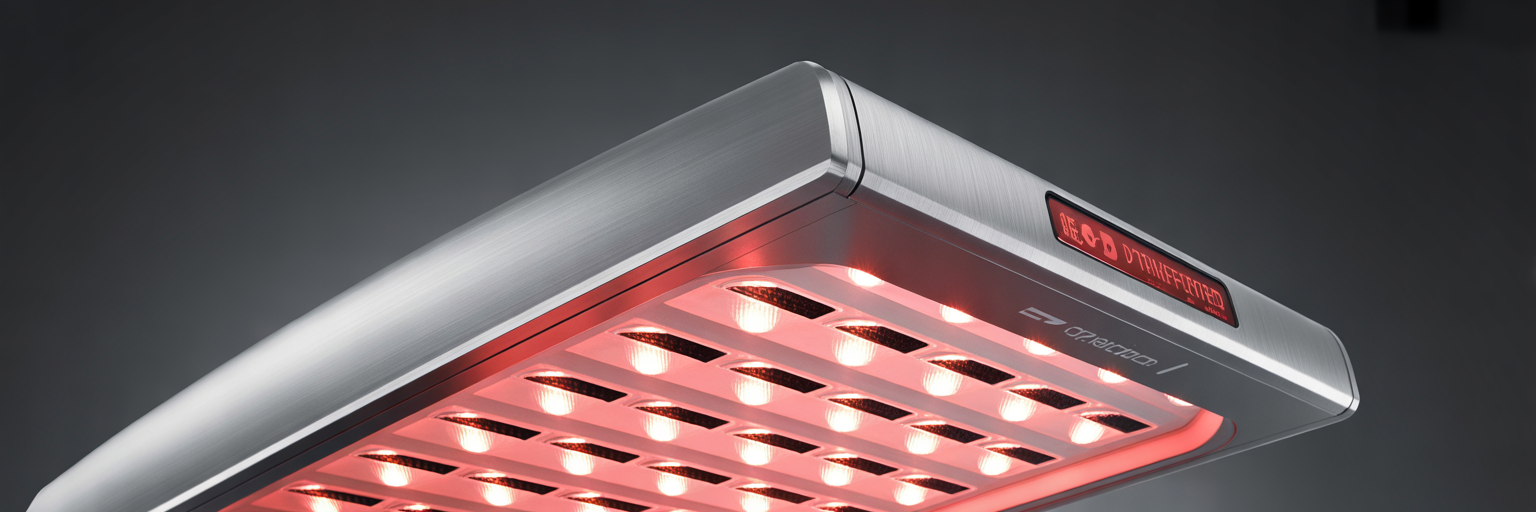
Once you have decided to incorporate red light therapy into your routine, the next step is selecting the right device. The market is filled with options, and knowing what to look for can make all the difference. An effective at home red light therapy panel is defined by its technical specifications, not just its size or price.
Here are the key features to consider:
- Clinically Proven Wavelengths: Look for panels that deliver specific wavelengths of red light (around 660 nm) and near-infrared light (around 850 nm). These are the most studied and effective wavelengths for photobiomodulation.
- Irradiance: This measures the power output of the light, typically in milliwatts per square centimetre (mW/cm²). Higher irradiance means more light energy is delivered to your cells in a shorter amount of time, making your sessions more efficient.
- Safety Features: A quality panel should include a built-in timer to ensure you do not exceed the recommended session duration. Low-flicker technology is also important for a comfortable experience.
The size of the panel you choose should align with your wellness goals. A small, targeted device is great for specific areas, but for systemic benefits like improved mood and energy, a larger panel is more effective. You can explore the different sizes available in our collection of red light therapy panels to see what fits your needs. For instance, a full-featured device like our Joovv Solo 3.0 embodies these specifications with its powerful output and clinically proven wavelengths.
To help you decide, here is a comparison of how different panel sizes are typically used.
| Panel Size | Primary Use Case | Key Benefits | Ideal For |
|---|---|---|---|
| Small / Targeted | Facial skin health, joint pain, specific muscle soreness | Concentrated light delivery to a small area | Treating wrinkles, acne, or localized pain in areas like the knee or shoulder |
| Medium / Half-Body | Back pain, torso, legs, improved circulation | Covers a larger surface area for regional benefits | Individuals seeking relief from broader muscle soreness or enhancing recovery after workouts |
| Large / Full-Body | Systemic benefits, overall energy, mood enhancement | Maximum light coverage for whole-body effects | Users focused on improving overall vitality, sleep quality, and achieving systemic wellness goals |
Safety Practices and Tracking Your Progress
Starting any new wellness practice requires a mindful approach to safety and a realistic understanding of the results. Red light therapy is widely considered safe, but following a few simple guidelines will ensure your experience is both positive and effective.
Before you begin, it is important to prioritise safety:
- Protect Your Eyes: Although red light is generally safe for the eyes, it is best to avoid looking directly into the powerful LEDs. Always use the provided eye protection during your sessions.
- Consult a Professional: If you have pre-existing medical conditions, are pregnant, or take photosensitizing medications, it is always a good idea to consult with your physician before starting red light therapy.
- Start Slow: If you have sensitive skin, begin with shorter sessions (5-10 minutes) and gradually increase the duration as you become more comfortable.
The benefits of red light therapy are cumulative, meaning they build up over time. You are unlikely to feel a dramatic shift after one session. Instead, the changes are often subtle and gradual. To track your progress effectively, consider keeping a simple journal. For 4 to 12 weeks, make a daily note of your energy levels on a scale of 1 to 10, the quality of your sleep, and your general mood. Over time, you will be able to look back and see a clear pattern of improvement.
Patience is essential. Think of red light therapy as a long-term investment in your cellular health. It works well alongside other recovery tools, such as our PEMF therapy mats, to create a comprehensive wellness routine. By staying consistent and paying attention to the small, positive changes, you can fully appreciate the impact of this technology on your overall well-being.